 |
 |
 |
|---|

 |
 |
|---|
 |
|
|---|---|
 |
 |
|
|
 |
|
|
|
 |
|
|
|
 |
|
|
|
 |
|
|
|
 |
|
|
|
 |
|
|
|
 |
 |
|---|
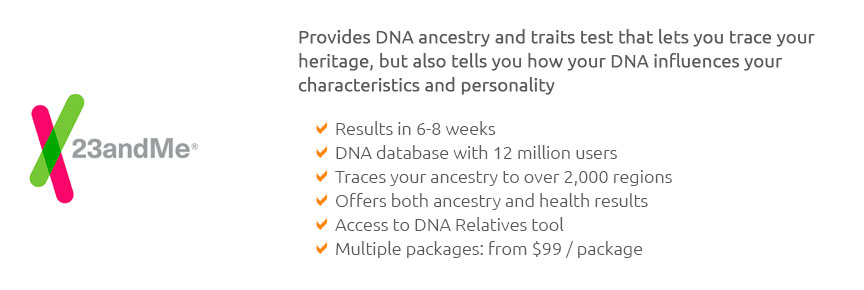
Understanding How Ancestry DNA Kits WorkThe concept of tracing one's roots has fascinated humanity for generations, and with the advent of Ancestry DNA kits, this exploration has been brought to the forefront of accessible technology. But how exactly do these kits work, and what makes them so compelling to the curious minds seeking to uncover their heritage? Let us delve into the intricate yet surprisingly straightforward process behind these fascinating tools. To begin with, the journey starts with a simple yet vital step: the collection of a DNA sample. Typically, users are instructed to provide a saliva sample in a specially designed tube, which is then sealed and sent off to a laboratory for analysis. This step may seem trivial, but it is the cornerstone of the entire process. The collected sample contains the genetic material that will be examined to reveal your ancestry. Once the sample reaches the laboratory, the real magic begins. The DNA is extracted from the saliva and then processed using advanced technology known as genotyping. This involves examining specific locations within your genome where significant genetic variation occurs. It's akin to reading a detailed map that can guide researchers in identifying the unique markers that constitute your genetic makeup. These markers, known as single nucleotide polymorphisms or SNPs, are then compared against a vast database that contains the genetic information of millions of people from various backgrounds. This comparison is what allows the ancestry service to pinpoint your ethnic origins with remarkable precision. Here's where the intrigue lies: by mapping your SNPs against those of known populations, the service can estimate the proportion of your DNA that comes from different regions around the world. In addition to ethnic origins, many DNA kits offer insights into other aspects of your genetic heritage, such as potential relatives. This feature is especially fascinating, as it can connect you with people who share segments of your DNA, thereby unveiling familial connections you might not have known existed. It is an aspect that adds a deeply personal touch to the otherwise scientific process.
Overall, Ancestry DNA kits offer an extraordinary blend of science and personal history, allowing individuals to uncover narratives that have long been hidden in the fabric of their genetic code. Whether you're seeking to connect with distant relatives or simply yearning to understand your place in the global tapestry, these kits provide a gateway to the past that is as enlightening as it is empowering. In a world where the threads of human history are continually being woven and rewoven, having the ability to explore one's own story is an invaluable gift, revealing not just where we come from, but also illuminating the diverse paths that lead us forward. https://www.vox.com/science-and-health/2019/1/28/18194560/ancestry-dna-23-me-myheritage-science-explainer
You remove the cell debris, proteins, all of the things that are not DNA, Yaniv Erlich, the chief science officer at MyHeritage, explains. https://www.ancestry.com/c/dna-learning-hub/how-does-ancestrydna-work
After we receive it, our lab uses a state-of-the-art process to isolate your DNA from your saliva sample. Our test uses your autosomal DNA, which provides the ... https://support.ancestry.com/s/article/What-to-Expect-from-AncestryDNA
When you purchase an AncestryDNA kit, we send you a package with everything you need to register your kit and return your saliva sample.
|
|---|

